Restaurant · Nakagyo
Owariya
Kyoto's oldest soba house, serving hand-cut buckwheat noodles in the original wooden building since 1702 — before that it was a confectionery shop from 1495.
Kyoto's famous temples are magic at dawn and a scrum by ten. Appricio tells you which one right now, which to skip, and where to eat like the city's oldest families do.
Free on iPhone · 50 cities free forever · Android to follow.
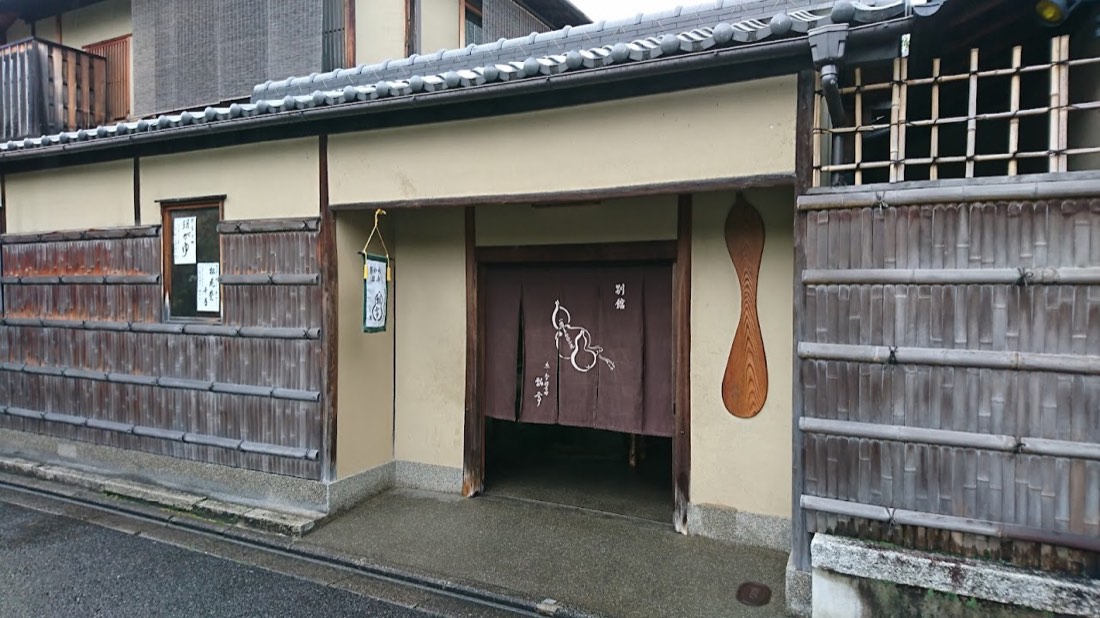
Kyoto's oldest soba house, serving hand-cut buckwheat noodles in the original wooden building since 1702 — before that it was a confectionery shop from 1495.
Began as a tea house for Nanzenji pilgrims and has been cooking kaiseki for over 400 years — one of the few restaurants in the world where tradition and three Michelin stars genuinely coexist without…
A designated Tangible Cultural Asset open since 1923, with carved woodwork, period tiling, and one of Japan's first electric baths — the most atmospheric sento in the city.
A vast Zen complex of over twenty sub-temples, most closed to the public, giving the open ones — with world-class dry landscape gardens — an exceptional calm that feels nothing like a tourist sight.
An intimate counter bar with over 1,200 bottles including 600 single malts — the whisky benchmark in Kyoto, understated and without a tourist bone in its body.
A workshop-shop keeping alive Kyoto's oldest metal-weaving craft: hand-wired tea strainers, grills and kitchen tools made the same way they have been for centuries — each piece as functional as it is beautiful.
Stop scrolling fifty options. Appricio gives you the one — with a reason, and a Plan B if you've seen it.
Download on the App Store