Restaurant · Jongno-gu
Onjium
Research-driven Korean tasting menus drawing from centuries-old royal recipe books, with a strong vegetable focus and fermentation techniques — one of Seoul's hardest reservations and most justified.
Seoul moves fast and stays up later. Appricio keeps pace — one strong pick for the hour, from late-night markets and pojangmacha to the quiet hanok lanes most visitors miss.
Free on iPhone · 50 cities free forever · Android to follow.
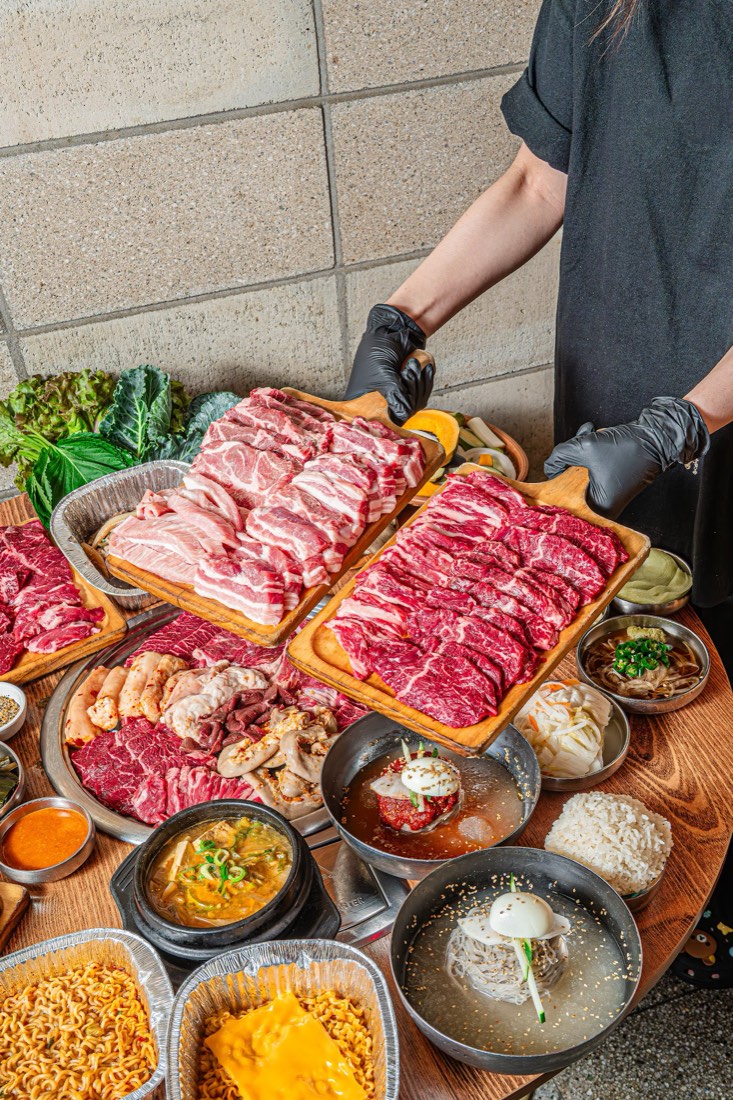
Research-driven Korean tasting menus drawing from centuries-old royal recipe books, with a strong vegetable focus and fermentation techniques — one of Seoul's hardest reservations and most justified.
Open since the early 1930s, this no-frills dining room serves Seoul's most true-to-form gomtang — slow-simmered beef bone broth — until it runs out, usually by early afternoon; arrive at opening or miss it.
Seoul's oldest covered market, famous for its raw bindaetteok (mung bean pancakes), mayak gimbap, and yukhoe — the stalls and energy here are entirely local, and it featured in Netflix's Street Food…
One of Seoul's oldest specialty coffee establishments with over two decades in the craft — a quiet, traditional two-story building with a hidden mezzanine room and the unhurried atmosphere of a place…
A renovated warehouse space near Hapjeong Station that blurs the line between indie record store, gallery, and fashion boutique — stocking rare vinyl, obscure art books, limited ceramics, and a…
A French-trained Korean patissier's quietly celebrated shop in a residential backstreet — chiffon cakes, fruit cakes and tiramisu that routinely sell out; known to locals, invisible to most visitors.
Stop scrolling fifty options. Appricio gives you the one — with a reason, and a Plan B if you've seen it.
Download on the App Store